
"Haitian coffee"
200 article(s) found
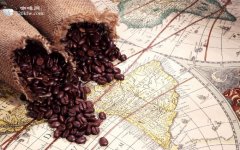
Boutique coffee beans knowledge coffee producing area Haiti
Despite well-known problems and fluctuating coffee quality from politically troubled lands, Haiti is still trying to produce some high-quality coffee. Most of the coffee produced in Haiti is grown in pure natural form, which is not intentional but the result of material shortage, because farmers are too poor to buy sterilization.

Coffee producing area-Haiti
Despite well-known problems and fluctuating coffee quality from politically troubled lands, Haiti is still trying to produce some high-quality coffee. Most of the coffee produced in Haiti is grown in a purely natural state, which is not intentional but the result of material shortage, because farmers are too poor to buy sterilization.
Start with Coffee beans (8)-- America-Haiti
Despite well-known problems and fluctuating coffee quality from politically troubled lands, Haiti is still trying to produce some high-quality coffee. Most of the coffee produced in Haiti is grown in pure nature, which is not intentional but the result of material shortage, because farmers are too poor to buy fungicides.
The quality of coffee fluctuates from time to time in Haiti
Despite well-known problems and fluctuating coffee quality from politically troubled lands, Haiti is still trying to produce some high-quality coffee. Most of the coffee produced in Haiti is grown in a purely natural state, which is not intentional but the result of material shortage, because farmers are too poor to buy sterilization.
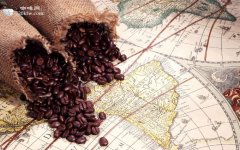
Coffee producing area in Haiti
Despite well-known problems and fluctuating coffee quality from politically troubled lands, Haiti is still trying to produce some high-quality coffee.
Coffee beans in America and Haiti
Despite well-known problems and fluctuating coffee quality from politically troubled lands, Haiti is still trying to produce some high-quality coffee. Most of the coffee produced in Haiti is grown in pure nature, which is not intentional but the result of material shortage, because farmers are too poor to buy fungicides.

CAFFE PASCUCCI achieves "the most ethical coffee brand in Europe"
As one of the most material-poor countries in the world, Haiti is a world-renowned producer of coffee beans. Most of the coffee produced in Haiti is grown in a purely natural state, which is not intentional but the result of material shortages. The reason is that coffee farmers are too poor to buy fungicides, insecticides and fertilizers. On the contrary, this makes coffee produced in Haiti the most natural.
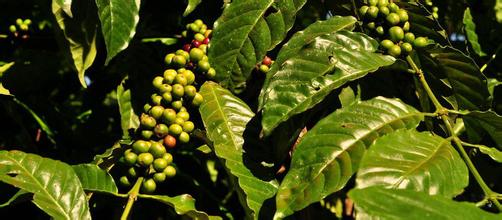
High-quality coffee beans from Haiti in the Americas are characterized by full-grained, mild taste and rich flavor.
Haiti is trying to produce some high-quality coffee, despite well-known problems and fluctuating coffee quality from politically troubled countries. Most of the coffee produced in Haiti is grown in a purely natural state, which is not intentional but the result of material shortage, because farmers are too poor to afford it.
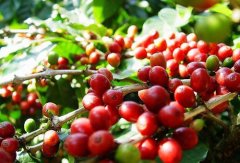
Haiti coffee particles full flavor coffee encyclopedia
Fine coffee is fresh coffee. Whether it's food or drink, the fresher the better, and so is specialty coffee. Coffee beans should be kept fresh before making fine coffee, including the preservation of roasted beans, and the coffee beans should be ground before making, which is also to retain its most original and best flavor. And hand brewed coffee making is such a way to make fine coffee
Coffee bean-shaped berry coffee in Tanzania the market for Tanzanian coffee
Despite well-known problems and the quality of coffee fluctuating from time to time, Haiti still tries to produce some high-quality coffee. Most of the coffee produced in Haiti is grown in pure natural form, which is not intentional but the result of material shortage.

Introduction to the Grinding scale of Manor Coffee Flavor treatment method in Honduras
Overall, Honduran coffee has a good reputation and is suitable for mixed coffee. Coffee in Honduras is imported from El Salvador. Honduras produces high-acid high-quality coffee. Like other places, the coffee grade in Honduras depends on altitude: coffee grown at 700 to 1000 meters above sea level is medium, and grown at 1000 to 1500 meters above sea level

Description of the flavor of Honduran coffee beans with mild taste introduction to the grinding scale of the manor area
Despite well-known problems and fluctuating coffee quality from politically troubled lands, Haiti is still trying to produce some high-quality coffee. Most of the coffee produced in Haiti is grown in pure natural form, which is not intentional but the result of material shortage, because farmers are too poor to afford to kill.

A brief introduction to the characteristics of Guatemalan coffee beans the origin of Guatemalan coffee beans
Coffee production in Guatemala has declined relatively, at 700kg per hectare, while that in El Salvador is 900kg per hectare and that in Costa Rica is even more astonishing, at 1700 kg per hectare. The export of dangerous Dimara coffee is controlled by private companies, but the National Coffee Council (Asociacion Nacional de Cafe) controls the coffee industry.

Which country produces the best coffee beans and introduces the major coffee producing countries in the world
Some people think that Mocha's special acidity is menacing. The coffee itself is very fragrant. It is generally believed that mocha is suitable for drinking after meals, because after a hard day's work, people's sense of taste is right. Delicious food will become dull. Peruvian Coffee, a rising star in Peru, is gradually opening up its popularity and entering the world. It is mostly planted in high-altitude areas, regular? The planting has greatly increased the yield.
Coffee with beans
[suggestions for coffee blending beans] 1 increase mellowness and thickness: Sumatra Mantenin coffee beans, Sulawesicaro coffee beans or Java coffee beans. 2 increase sweetness: Venezuelan balacaibo coffee beans or Haitian coffee beans. 3 increase sweetness or mix sour coffee: Mysore coffee beans. 4 increase the flavor of wine: Ethiopian coffee beans, Sumatra coffee beans
Haiti Haiti recommended by countries producing boutique coffee beans
Despite well-known problems and fluctuating coffee quality from politically troubled lands, Haiti is still trying to produce some high-quality coffee. Most of the coffee produced by Haidi is grown in a pure natural state, which is not intentional but the result of material shortage, because farmers are too poor to afford to kill.

Dominic Coffee with pleasant Flavor Flavor and Taste introduction to Fine Coffee in Manor area
In 1795, France and Spain signed the Basel Peace Treaty in Switzerland, agreeing to cede the Santo Domingo area in the eastern part of the Spanish island to France, making the Spanish island a complete French colony. Six years later, Toussaint Lovidur, a black Haitian, led other black slaves to revolt against French rule, and in 1801 captured Santo Domingo, which had just ruled France, thus unifying the whole West.

Description of characteristics and Flavor of Coffee beans in Latin America
Latin American Coffee also has a small number of Jamaican coffee beans grown at low elevations, which can be slightly identified by their names, such as Blue Mountain Valley Coffee, Jamaican Alpine Coffee and so on. Haitian coffee beans, which are washed by Haiti Haiti, are typically sweet, soft and of medium consistency, but they are often caused by mistakes in the processing and drying process.

Introduction to coffee growing area and growing environment in Port-au-Prince, Haiti
Most of the coffee produced in Haiti is grown in a purely natural state, which is not intentional but the result of material shortages because coffee farmers are too poor to buy fungicides, insecticides and fertilizers. On the contrary, this makes the coffee produced in Haiti the most natural and pollution-free. Haitian coffee has full grains, rich flavor, medium to low acidity and mild taste.

Introduction of the famous Coffee Manor Brand in the World
Despite well-known problems and fluctuating coffee quality from politically troubled lands, Haiti is still trying to produce some high-quality coffee. Most of the coffee produced in Haiti is grown in pure natural form, which is not intentional but the result of material shortage, because farmers are too poor to afford to kill.